Category: Customer stories

  • From manual checks to real-time insight: Hoogweg modernizes tank monitoring in one day

    From manual checks to real-time insight: Hoogweg modernizes tank monitoring in one day

    Wireless radar sensors replaced manual checks and unreliable float systems, giving one of the Netherlands’ leading pepper growers full visibility into tank levels across the operation.

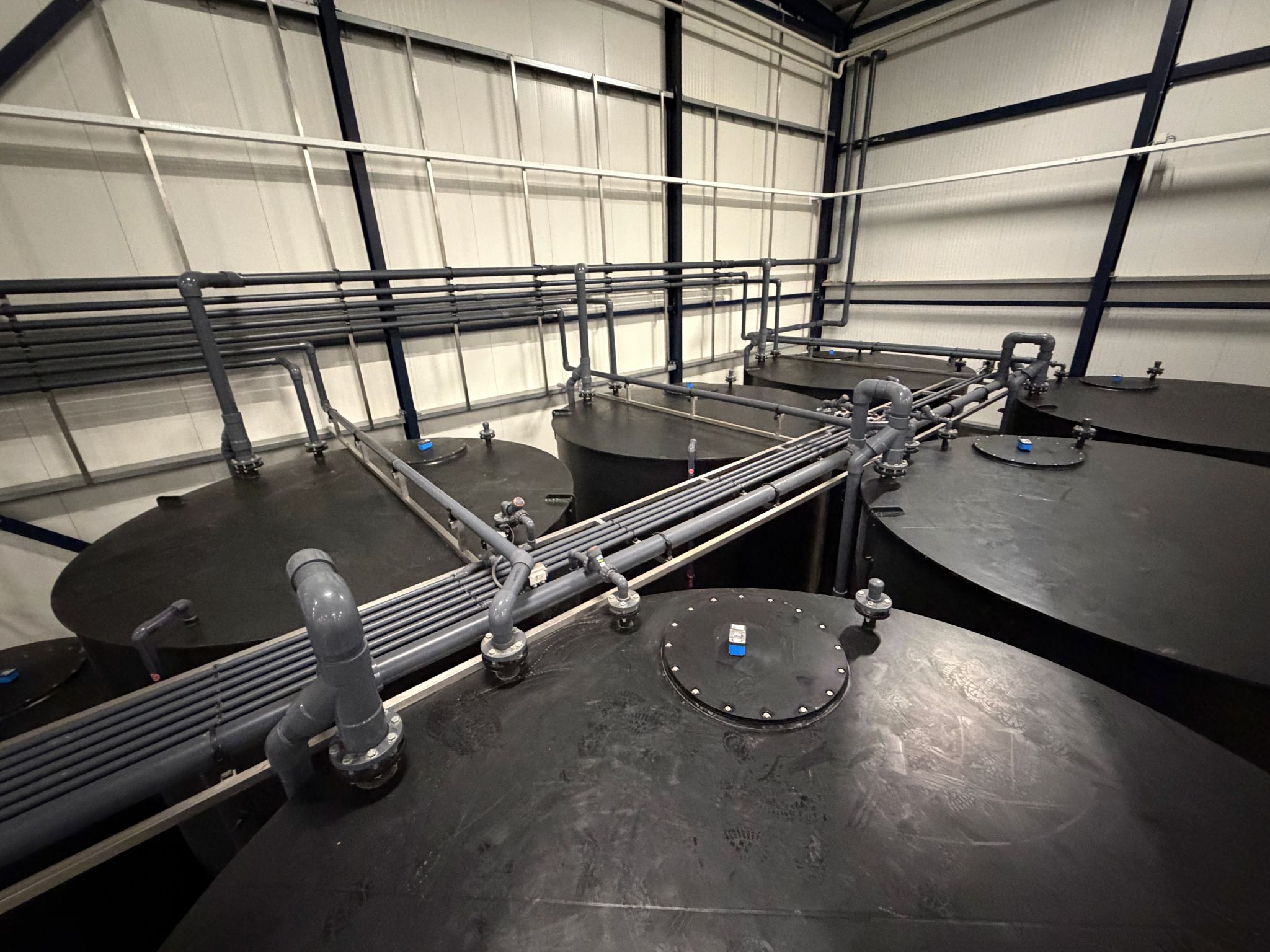
    For greenhouse growers managing large-scale nutrient supply, reliable tank monitoring is not a luxury. It directly affects delivery planning, crop quality, and day-to-day efficiency. Hoogweg Paprikakwekerijen, a prominent Dutch pepper grower, found that manual tank checks and mechanical float systems were no longer providing the visibility the operation required. By working with Staal Instruments, Hoogweg replaced its outdated process with wireless radar level sensors across all 47 fertilizer and urea tanks, installed in just one day, with no modifications to the tanks and no disruption to operations.


    The challenge: manual monitoring and unreliable float systems

    Before the project, operators at Hoogweg had to physically check tank levels across the facility. This was a time-consuming routine that could easily take several hours per week, with no guarantee that the readings were accurate or up to date.

    The mechanical float systems in the tanks added further uncertainty. Floats would occasionally become stuck, producing readings that no longer reflected actual levels. For an operation that depends on timely fertilizer deliveries and precise nutrient dosing, this meant working with incomplete and sometimes misleading information.

    Hoogweg needed a solution that could answer two simple but critical questions at any given moment: is a tank running low, and is there enough available capacity to receive a new delivery?

    The solution: fast installation of wireless radar sensors

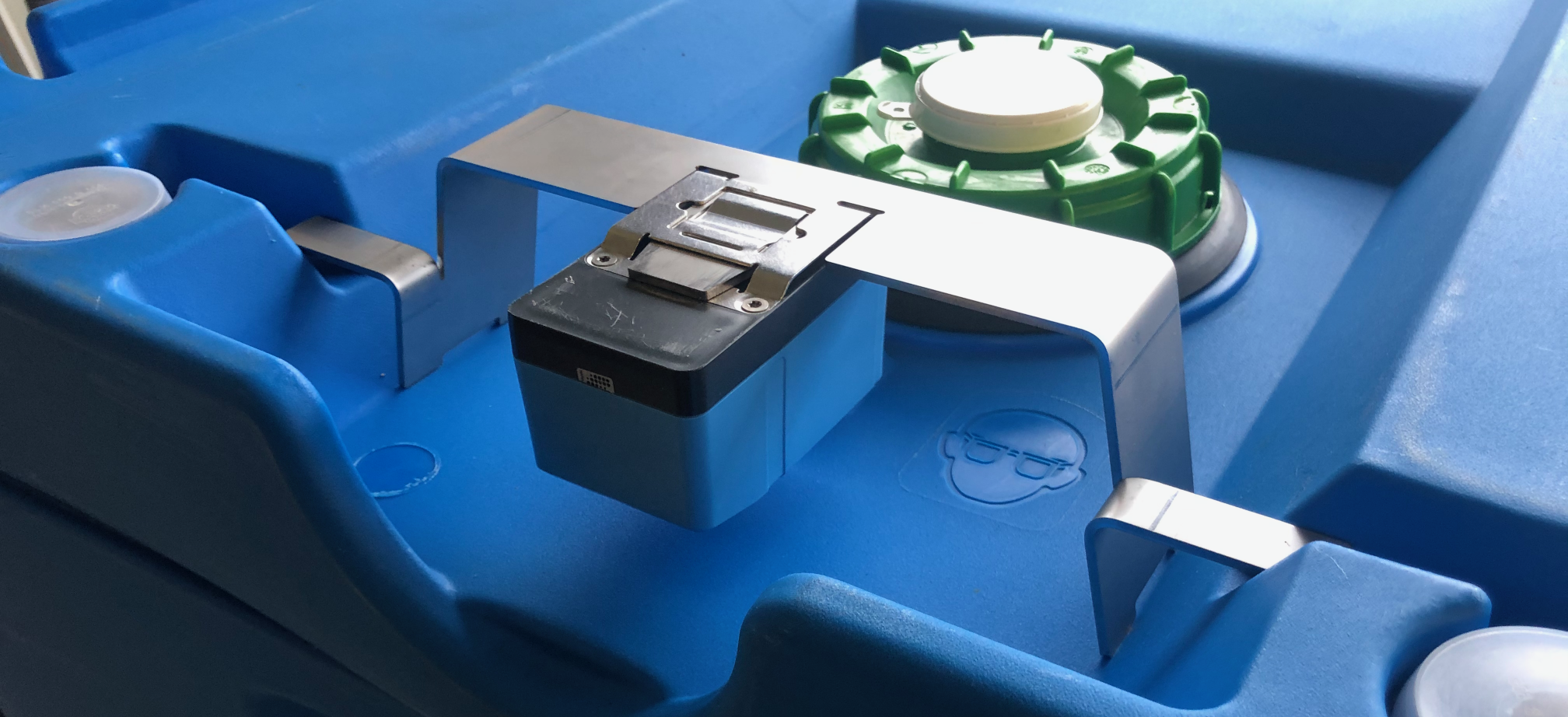
    Staal Instruments equipped all 47 fertilizer and urea tanks with wireless radar level sensors. The entire installation was completed in a single day. Because the sensors measure through the walls of the plastic tanks, no drilling, cutting, or tank modifications were needed. The process required no downtime and no disruption to the growing operation.

    This ease of deployment is central to the Staal Instruments approach: “Insight. Because our sensors can be installed almost anywhere with minimal effort, we are able to provide clear insight into what is really happening inside your assets.”

    Once installed, the sensors connect wirelessly to the Staal Instruments cloud platform, where the team at Hoogweg can monitor all 47 tanks in real time from a single dashboard.

    The impact: real-time insight and improved operational efficiency

    The shift from manual checks to continuous monitoring has had a direct impact on how Hoogweg manages its fertilizer supply.

    The grower now has real-time visibility into every tank across the operation. Custom notifications alert the team when a tank drops below a set threshold, and equally important, when sufficient volume becomes available to schedule a new delivery. This removes the guesswork from logistics planning and allows the company to coordinate supplier deliveries with greater precision.

    The hours previously spent on manual walk-throughs are now freed up for higher-value tasks. The risk of unexpectedly running empty has been significantly reduced, and operators no longer need to rely on float systems that may or may not be giving accurate readings. In practical terms, the operation runs more smoothly, with fewer surprises and better planning reliability.

    What Hoogweg says

    “We used to quite some time every week walking the greenhouse to check the tanks. Now we get a notification when a tank needs attention and we know exactly when we can schedule the next delivery. It has made our planning much more reliable and freed up time for the team to focus on the crop.”

    Erik Hoogweg, from Hoogweg Paprikakwekerijen

    A practical model for greenhouse horticulture

    The Hoogweg project demonstrates how quickly wireless radar monitoring can transform tank management in greenhouse horticulture. With fast installation, no modifications to existing infrastructure, and immediate real-time insight, the barrier to upgrading from manual processes is low while the operational benefits are significant.

    For growers still relying on manual checks or mechanical float systems, the case is clear: better data leads to better decisions, fewer disruptions, and more time spent on what matters most, growing a quality crop.

    Ready to improve your tank monitoring?

    Staal Instruments helps growers and industrial operators gain real-time insight into tank levels with minimal effort. Whether you manage a handful of tanks or hundreds, our wireless radar sensors can be installed quickly, without modifications to your existing infrastructure.

    Get in touch to find out how radar level monitoring can work for your operation.
  • De Waterbank – slim omgaan met restwater

    De Waterbank – slim omgaan met restwater

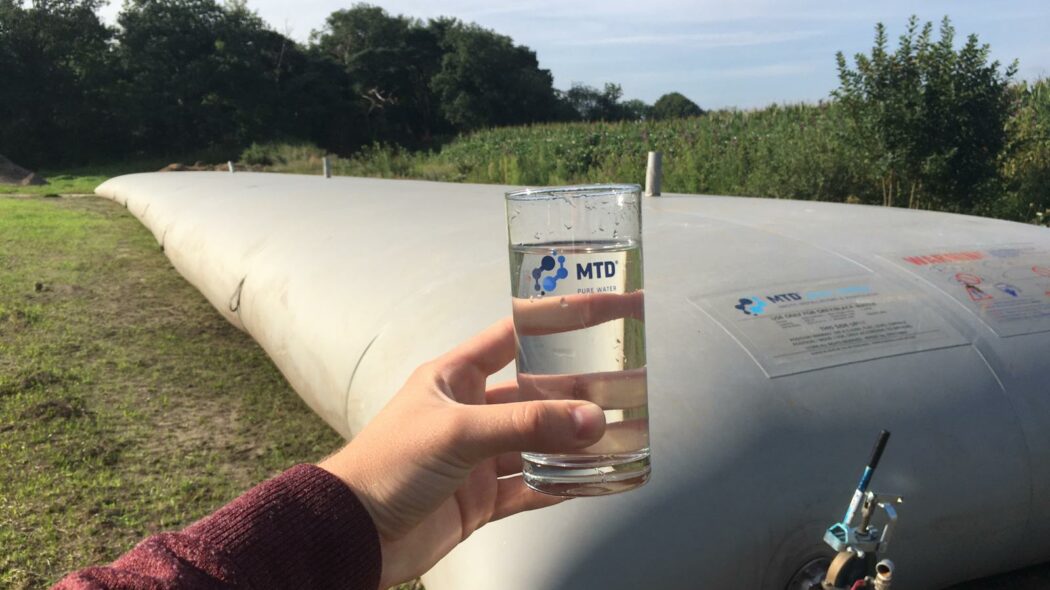
    Droogte en overlast zijn actuele onderwerpen en een wereldwijd aandachtspunt. Lange periodes van droogte, lage grondwaterstanden en steeds hevigere regenval in de zomer. In de winter is er een overschot aan water en in de zomer is er een tekort aan water voor irrigatie, sproeien of blussen.

    De waterbank brengt op een eenvoudige manier aanbieders van overtollig water met lokale afnemers die een tekort hebben met elkaar in contact. Door het land heen zijn er waterbanken aanwezig. Dit restwater kan worden opgeslagen, getransporteerd en gedistribueerd.

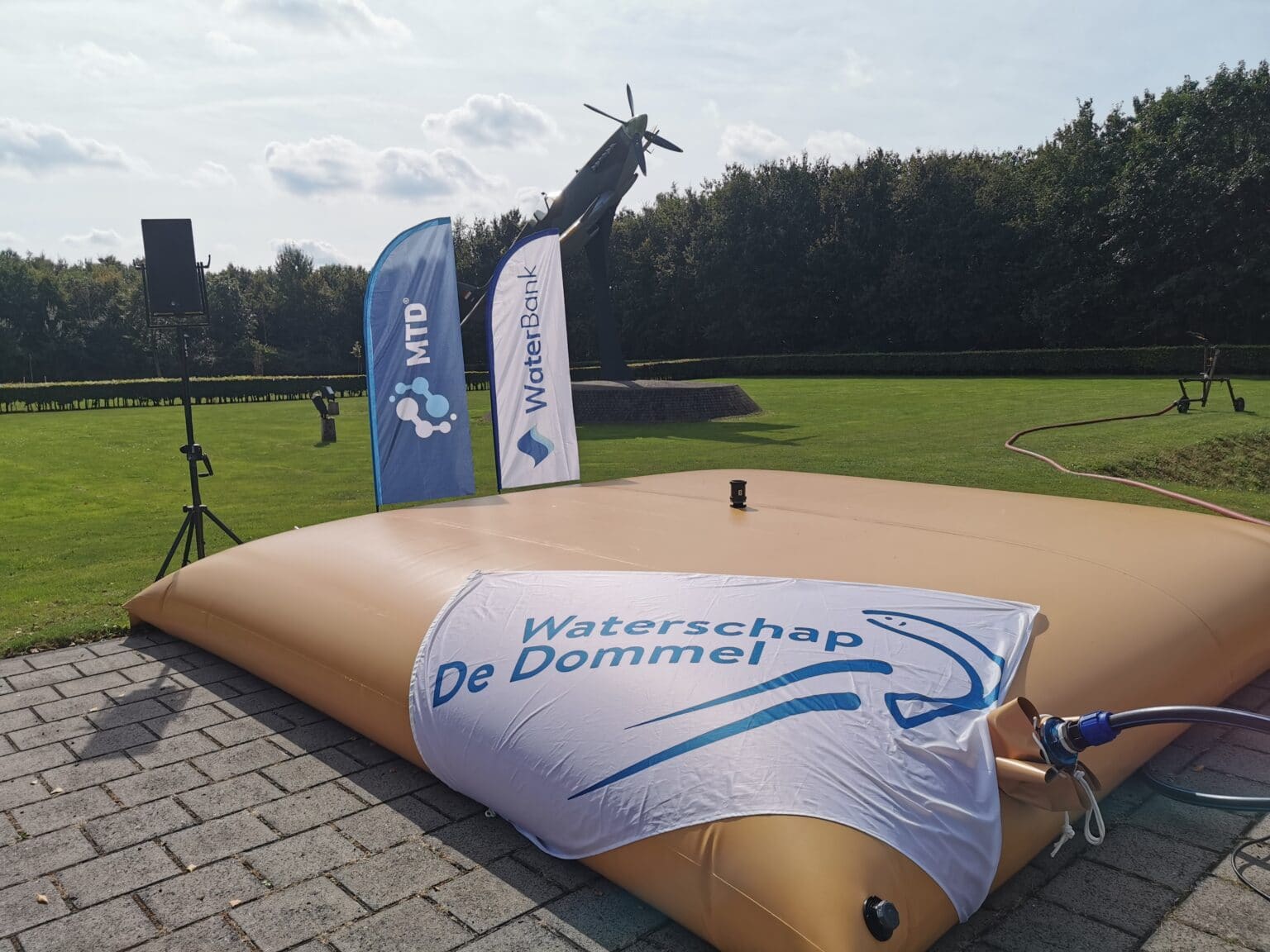
    In samenwerking met het rijksvastgoedbedrijf en de koninklijke luchtmacht wordt er op vliegbasis Eindhoven een proef gedaan tot eind 2022 met een 200m3 waterbank. Om het verbruik eenvoudig te monitoren maakt de Waterbank gebruik van onze draadloze radar sensor. De sensor verstuurt de data naar ons moderne platform waar het verbruik gemakkelijk te houden is.

    Waterbank project vliegbasis eindhoven

    Bent u zelf op zoek naar een slimme oplossing om grip te houden op uw water of chemie verbruik? Neem gerust contact op met een van onze sales enigeers om de mogelijkheden te bespreken.

  • Göteborgs Stad – sewer system monitoring network

    Göteborgs Stad – sewer system monitoring network

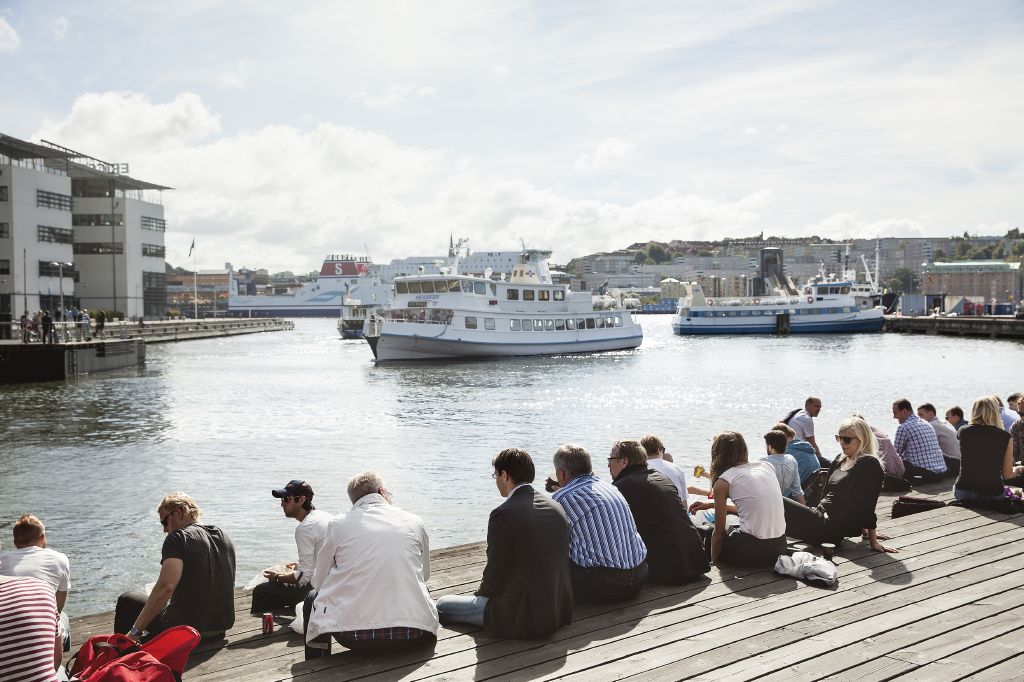
    Sweden’s second largest city is growing faster than ever. As the city expands towards the river, new challenges arise. Sustainable solutions for water and wastewater are a hot topic in Gothenburg. The biggest challenge is the search for a sustainable way to regulate rainwater. This is done to minimize the risk of flooding.

    Where previously it was sufficient to lay underground networks to drain rainwater, other solutions must now be sought. In the area it is important to closely monitor the sewer system.

    The MaxSHIFT60 wireless radar level sensor is used to provide the municipality with insight into current levels in the sewerage system. The powerful radar sensor solution makes it possible to perform measurements in sewers where this was previously not possible. Because the radar works standalone, no new infrastructure needs to be built and it easily sends its data to the municipality.

    Glen Nivert, project manager at the water department of the municipality, explains why Staal Instruments is the right solution:

    “We were looking for a system that is easy to install without having to build a whole new infrastructure. The wireless radar level sensor allows us to quickly and effectively roll out a measurement network. The supplied modern platform offers us real-time insights into our sewers.”

    Götenborg stad sewage level radar sensor
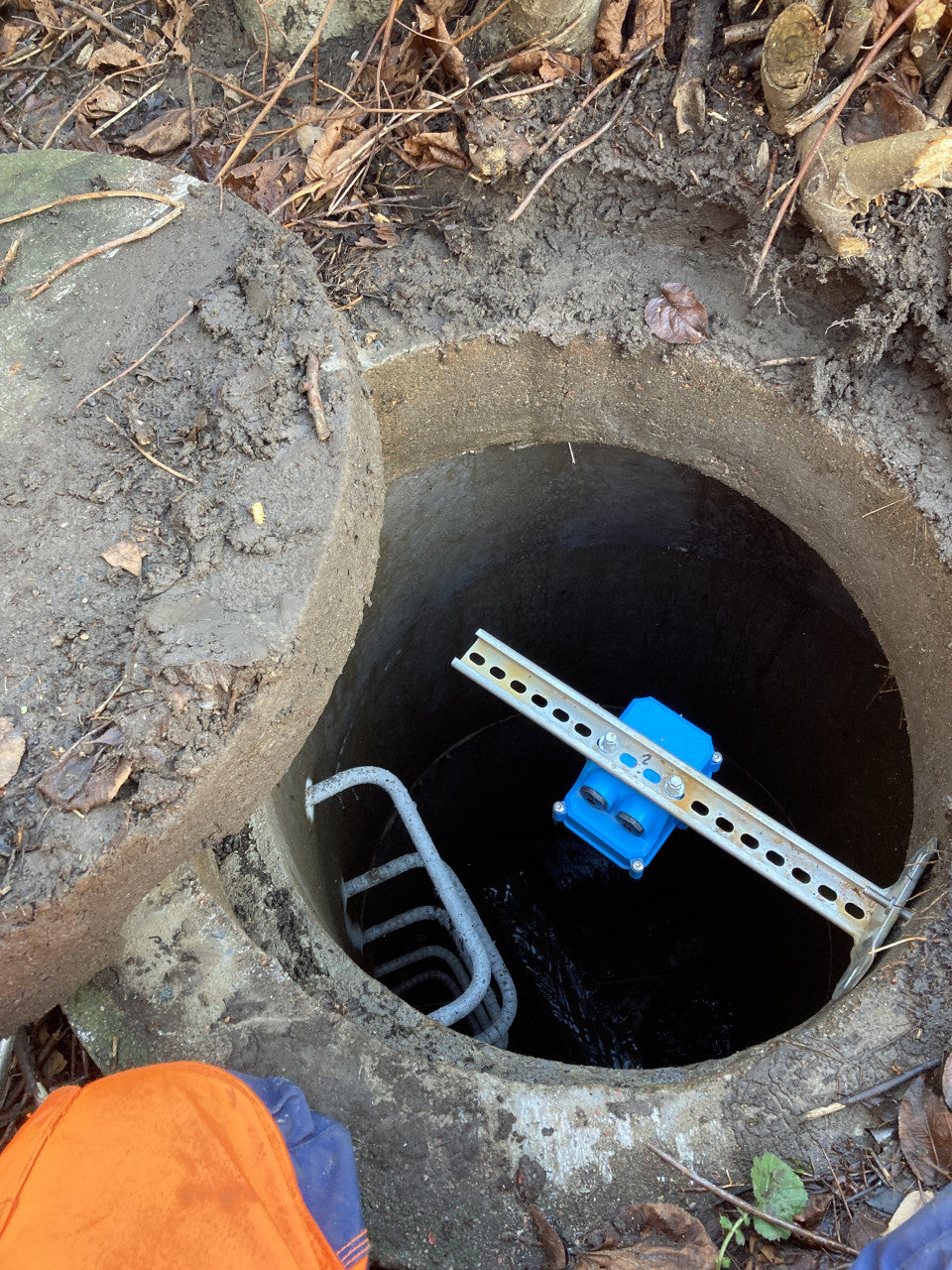
    Göteborgs Stad sewer system and manhole cloud level radar sensor, MaxSHIFT60.

    Level monitoring in sewer systems flood warning cloud radar level sensor

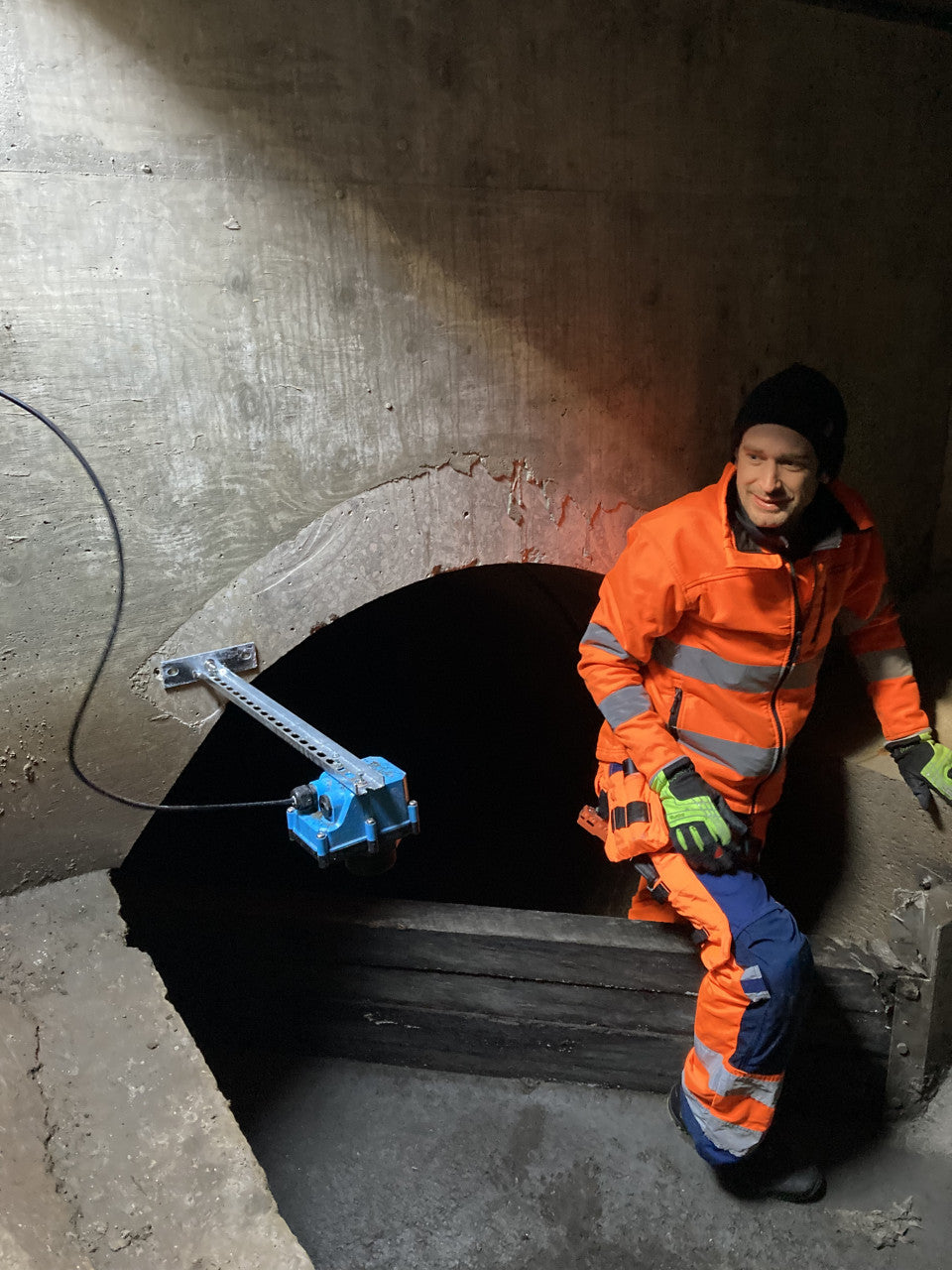
    Overflow monitoring inside sewer system Göteborgs Stad, MaxSHIFT60 with external antenna.

    Using a simple bracket, you can easily and quickly install the sensors at the desired location. Thanks to a powerful 2G and 4G network module, the sensors can also be easily installed under metal manhole covers in urban areas. For locations deeper underground, there is a solution with an external antenna that can be pulled up. Furthermore, the ASA housing of the sensor offers protection against gases such as H2S.

    Are you curious about the costs and possibilities of a complete radar monitoring network? or do you want to test the measurement technology? Feel free to contact one of our sales engineers for an appointment.

  • Eurol Lubricants – voorraadbeheer smeermiddelen

    Eurol Lubricants – voorraadbeheer smeermiddelen

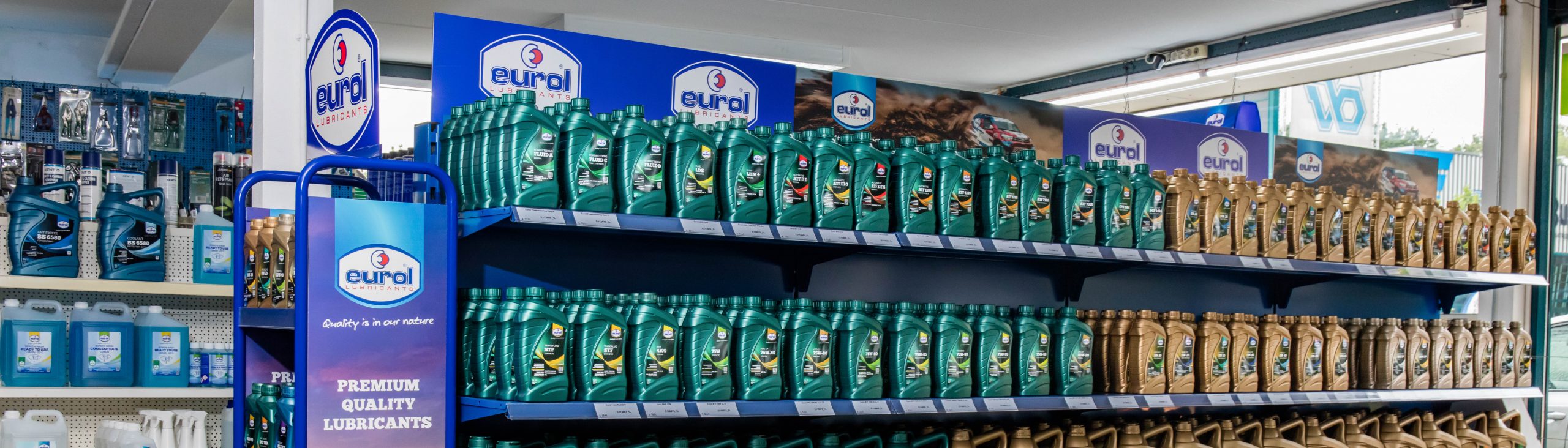
    With more than 45 years of experience, Eurol Lubricants is the largest Dutch independent producer of lubricants and technical fluids. Where quality always comes first, Eurol is now available in more than 90 countries.

    Eurol provides a full-service package to its customers. This programme includes lubricants, additives, cleaning and maintenance products and technical fluids. Eurol serves various segments such as the automotive, transport and motorbike market, agriculture, earthmoving, industry and shipping.

    Stock management at the customer’s premises is a service which Eurol is happy to provide. The ‘Eurol House of Excellence’ quality programme contributes to the continuous development of processes.

    Robert Roessink, commercial business analyst, explains why the Staal Instruments sensors were chosen:

    “Within Eurol we were looking for a new measurement solution to monitor stock levels and consumption at our customers’ sites. Staal Instruments’ radar sensor offers many possibilities. Accurate measurement gives us insight into the logistics side of the story, so that customers never run out of stock. Through the StaalCloud, our people can easily plan and manage inventory. This allows us to optimally use our tankers and further increase customer satisfaction.

    Staal Instruments’ service is also excellent! They are always able to help us quickly with a lot of know-how. “

    Are you looking for a powerful measurement system that provides insight into your stock, logistics and customer management? Make an appointment with one of our sales engineers so we can help you further.

  • Future Fuels Wholesale – Remote Monitoring

    Future Fuels Wholesale – Remote Monitoring

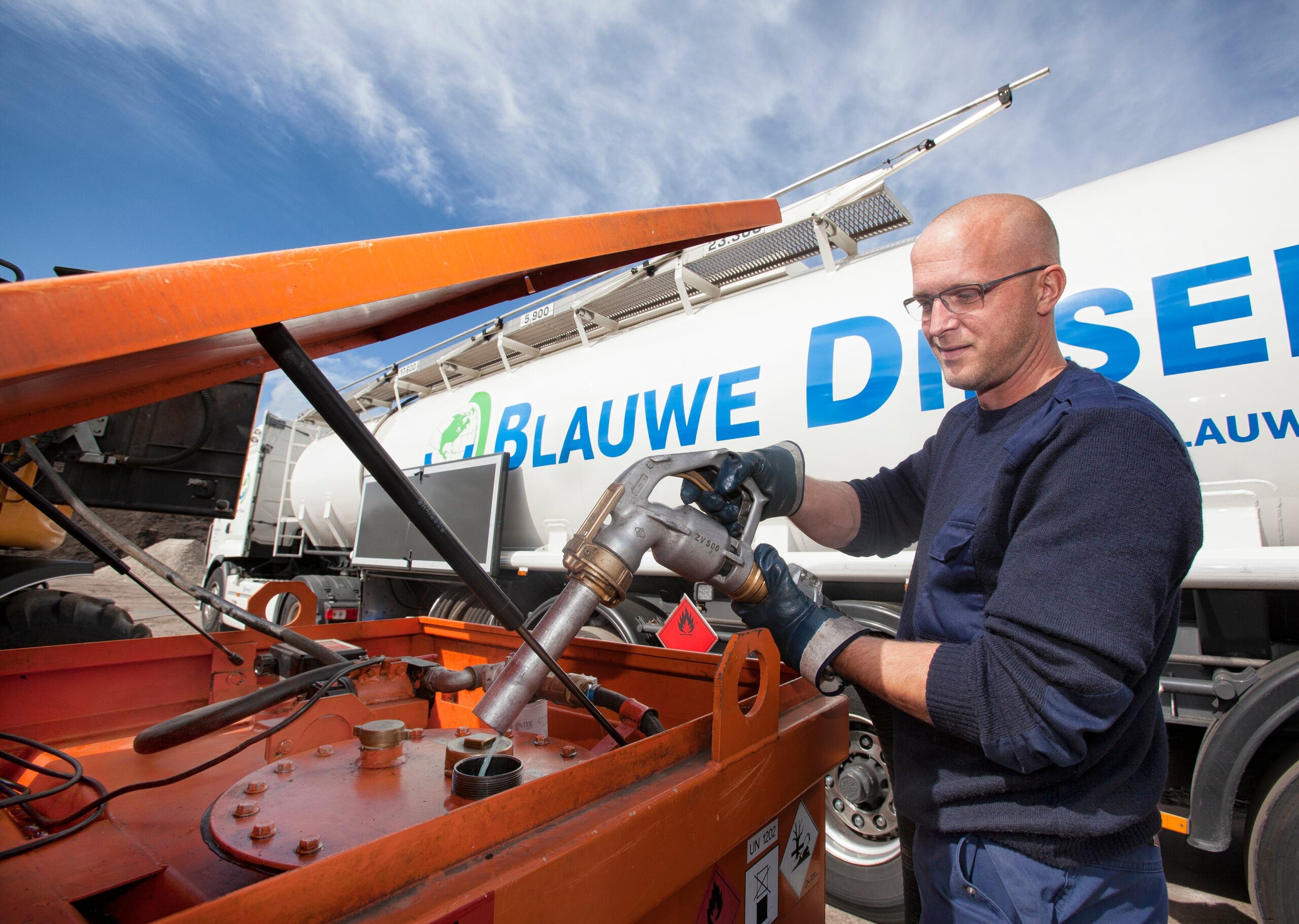
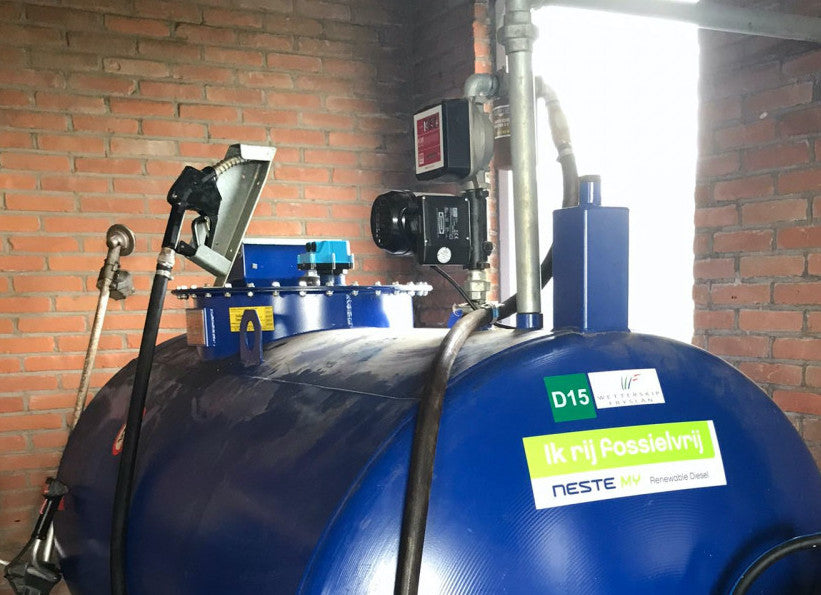
    Future Fuels Wholesale, formerly Wiersma Olie en Techniek, is active as a fuel dealer in the Netherlands. They supply Blue Diesel EN950, its own specific fuel product line based on the best quality and the highest durability. As an importer of Neste MY renewable Diesel in the Netherlands, it enjoys a strong position in the market. A nationwide network of dealers and sub dealers makes it possible to supply the end user quickly and actively.

    Reliable stock measurements are of great importance, both for the customer and for Future Fuels itself. Freddy, head of logistics, says:

    “It is very important for us to have an accurate picture of the tanks at our customers at all times. In the past we used ultrasonic sensors. Particularly in the winter period, the reliability left something to be desired, but then, of course, the gritters must have diesel! For us, the choice for this new radar technology was therefore quickly made. Staal Instruments is also a Dutch company with its own radar and cloud platform, if there is something the lines are short and it is quickly resolved!”

    “We have now switched almost 2 years ago, and have not regretted it for a moment. The radar technology works reliably and accurately in all seasons. Staal’s platform is just as easy to use as the sensors themselves, it offers us every opportunity to manage logistics and planning even better. Drivers can now even see on the truck if there are still tanks to be filled somewhere! This helps me a lot in my work. We are a fast-growing company, everyone is busy, so you look for a sensor supplier you can rely on.”

    Future Fuels mainly uses the MaxSHIFT60 wireless radar level sensor. This radar is extremely suitable for the oil market due to its 2 inch threaded connection. Fittings are offered for other tanks.

    Are you looking for a total solution for stock management for your own company and/or at the customer’s? Contact one of our sales engineers directly to make an appointment.

  • Volume Measurements on VARIBOX IBC by van Iperen and Hydrocare

    Volume Measurements on VARIBOX IBC by van Iperen and Hydrocare

    Good water quality is important for a healthy crop. The use of stabilized hydrogen peroxide such as Hydrocare is of great importance for good water quality. Regular use of stabilized hydrogen peroxide will keep pipes and drippers free of blockages and the water free of germs.

    Van Iperen strives for an efficient and sustainable use of Hydrocare. They have opted for the double-walled Varibox for safety and durability. With the integrated drip tray customers automatically comply with the applicable laws and regulations for the storage and use of products based on hydrogen peroxide. In addition, the Varibox has quick couplings, making connection quick and simple.

    Double walled VARIBOX

    Only, due to the double-walled box, the volume cannot be monitored manually and therefore Van Iperen uses a new technology; The radar based volume measurement of Staal Instruments. This offers a number of advantages. The most important advantage: Radar measures through the plastic boxes, even double walled!

    Reliable level measurement

    Based on radar technology, Van Iperen is introducing this technology on their Variboxes with Hydrocare. This technique offers an accurate and cost-effective monitoring solution for dosing processes. The radar delivers level measurements you can rely on on a daily basis

    Always & everywhere connected

    With integrated connectivity you are always connected. Together with the long battery life and fast installation, the radar is now applicable and profitable in any dosing and stock management process.

    Grip on your dosing process

    With the online cloud platform, accurate measurements are available to authorized users. Stocks and pumps can be tracked in real time with alerts, analyzes, planning and reports.

    Volume measurement for Variboxes

    By using Staal’s level radar you can now measure the volume without any problems and without contact. Sealed Variboxes can remain closed for safety.

    Contact Quentin van der Molen, Technical Sales Engineer, and discover more about non-contact, wireless level measurement.

    T. +31 85 744 1493

  • Surface Water Monitoring by Brabantse Delta (Dutch Water Board)

    Surface Water Monitoring by Brabantse Delta (Dutch Water Board)

    Description and conclusions of the pilot “measuring water level with the Staal radar measurement” carried out by the Brabantse Delta Water Board.

    Introduction

    A concrete reason for the Brabantse Delta Water Board to look for a solution to realize additional measurements of the surface water level is the more intensive monitoring of water level areas. At the moment there are still a large number of gauging sections where the water level can only be measured occasionally and manually. Based on the task of complying with the water level decisions, this is no longer sufficient and it has been determined that at least 70 new measuring points must be constructed to improve the evaluation of water level decisions.

    According to an initial evaluation by the Brabantse Delta Water Board, current measurement techniques appear to be too expensive for this, mainly because of the installation and management costs.

    The Brabantse Delta Water Board was therefore open to setting up and implementing an extensive pilot project together with Staal Instruments to test a new measuring technique. This concerns the Staal wireless radar measurement. The combination of a non-contact radar level measurement, integrated telemetry, battery powered, price, ease of installation and maintenance aroused the interest.

    Pilot setup and Locations

    The new measuring technique has been compared by Brabantse Delta with the current measuring techniques. For six months, two Staal wireless radar sensors were placed next to existing measurement techniques. Two measurement locations have been selected for this. After this measurement period, the results were compared and assessed.

    Measuring equipment was already present at both locations and, in addition to the Staal radar measurement, a standalone pressure transducer (submersible hydrostatic pressure sensor) was also installed so that the same reference measurement technique was used at both locations.

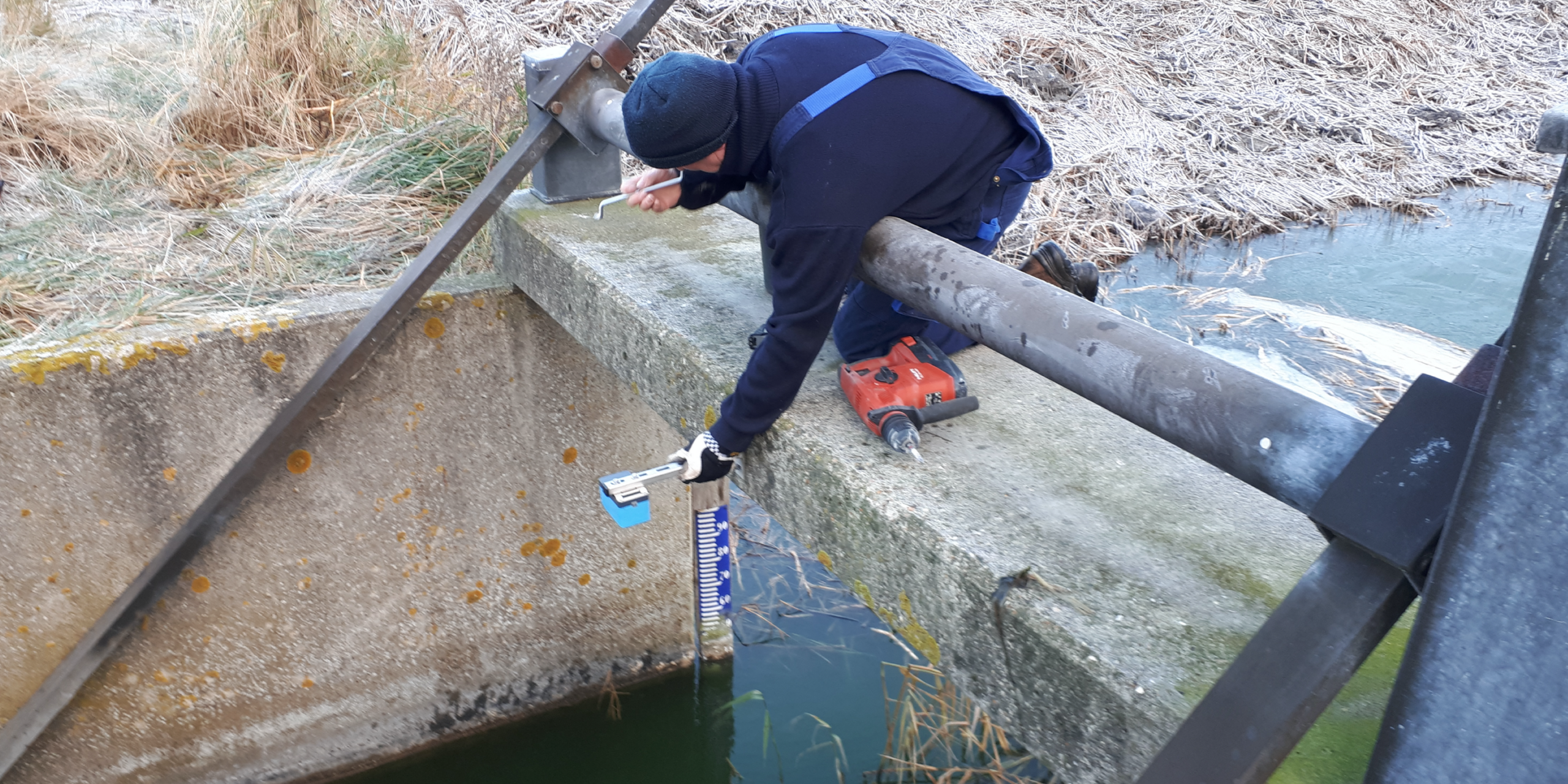
    Markiezaatsmeer Bergen op Zoom: Several meters were already present at this location: A gauge and an “E + WATER L” pressure sensor. An extra pressure sensor and the Staal radar measurement have been added to this for the pilot. In addition, manual measurements were taken. The Staal radar measurement is attached to the weir with a bracket directly above the gauge (see figure 1).

    At Stuw Markiezaatsmeer, measurements were taken with a gauge, reference manual measurement, two pressure sensors and one radar measurement. Every six weeks, the pressure transducers were manually read to retrieve data, including the level scale. The radar measurement automatically discloses the data to the Staal portal.

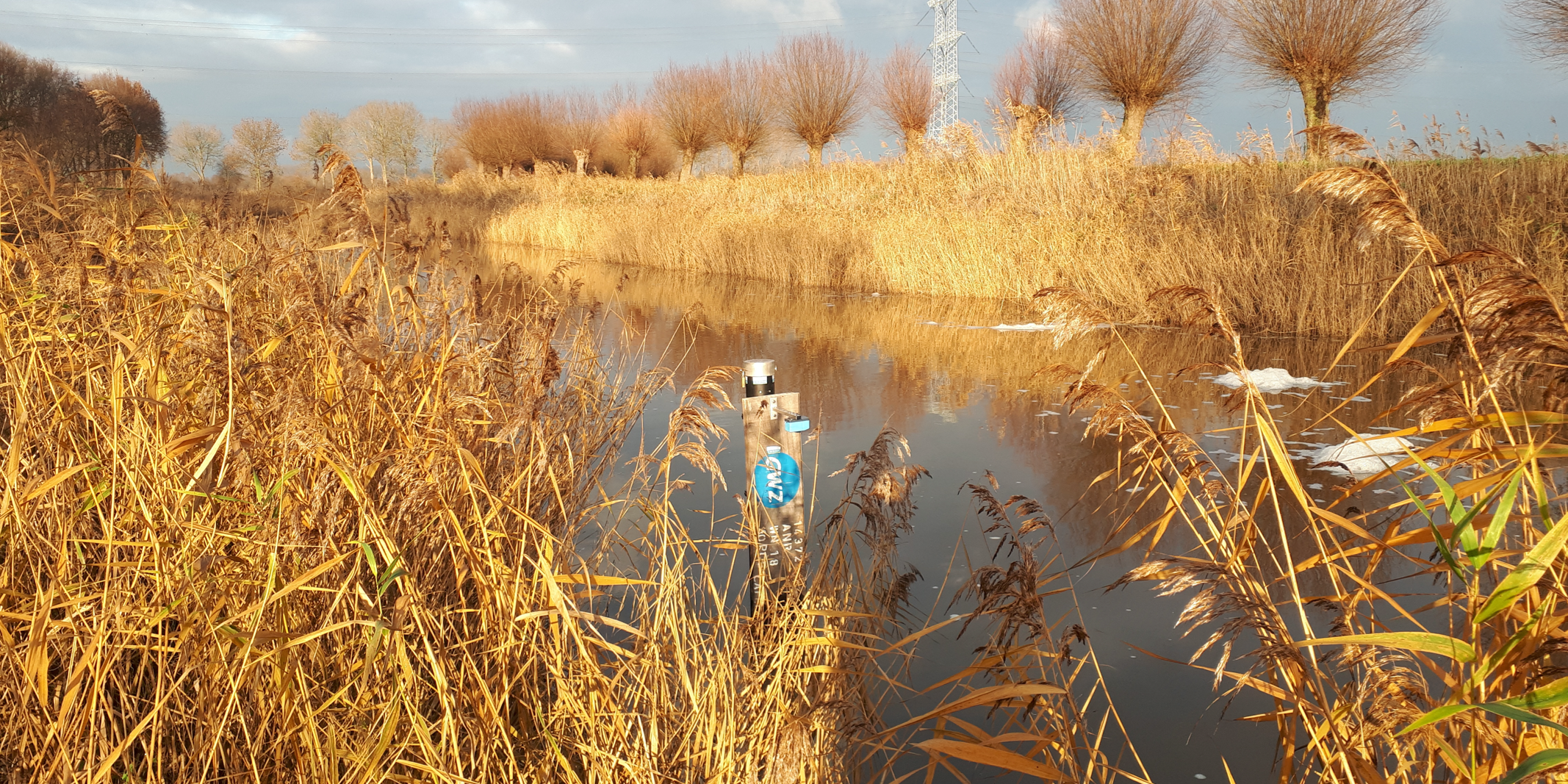
    Dongedijk’s Gravenmoer: At this location, in addition to a gauge, a TSX-100 pressure transducer in a protective tube is already present. An extra pressure sensor has been added to this. The Staal radar measurement is attached to the existing wooden measuring pole to which the other measuring equipment is also attached (see figure 2).

    At Dongedijk’s Gravenmoer, measurements were taken with a gauge, two pressure sensors and one radar measurement. Every month, the pressure sensors were read to collect data, including the level scale. The radar measurement automatically discloses the data to the Staal Portal.


    Test Results

    Results of the comparison of Staal radar and pressure sensors by the Brabantse Delta Water Board:

    • At the Markiezaatsmeer, the average difference between the Staal radar measurement and the pressure sensor is 5.4 mm.
    • The average difference between the Staal and the E + WATER L is only 2.7mm.
    • The e + WATER L uses the local air pressure.
    • Noticeably higher differences in March. This could be the result of a blocked air pressure gauge in the e + WATER L.
    • There is no noticeable course or deviation in any of the measuring instruments.

    Conclusion & Recommendations 

    The conclusion & Recommendations of the Brabantse Delta Water Board:

    The Staal radar gauge appears to be an instrument that meets the requirements of the Water Board in terms of accuracy and reliability of the measurements.

    In view of its accuracy, it can not only be used for monitoring water levels, but may even be used for measuring overflow levels at weirs to determine flow rates. However, this requires further research.

    In addition, the Staal radar level sensor is a measuring instrument that can easily be installed and, if desired, easily moved: it is a matter of unscrewing the device, installing in the new location and within a few minutes the device is fully operational again.

    Furthermore, the measurement data of the Staal radar measurement is available in real-time. This means that in real-time an error or defect is sooner detected by a user who can view the data at any time. For example, the pressure sensor must first be read before the data is available and then compensated with the air pressure.

    The only criticism is that the Staal radar measurement is less robust than the way the current pressure transducers are mounted, making it more susceptible to vandalism. Because the Staal is installed above the water surface and the pressure transducers are installed in a stilling well, the Staal also has more external influences, such as wave action, and a somewhat greater fluctuation occurs in the measurement series.

    However, this does not affect the mean values. The water level remains the same based on average hourly or daily values.

    All in all, the Staal radar measurement for monitoring surface water levels scores better than the current standard of the Water Board, the hydrostatic / pressure sensor.

    NOTE: This Testimonial is fully based on the description, measurement results and conclusions from the report “Surface Water Monitoring” by the Brabantse Delta Water Board, delivered on 9 October 2019, by authors: Rutger van Ouwerkerk and Jens Vloedgraven, and reviewers: Luc Rouws, George Corman , Mark Janssen, Arjan Segeren, Linda Lauwerijssen and Ben Willemsen.

    Brabanste Delta testing Staal Radar Level Sensors

  • Finding blockages in sewer systems

    Finding blockages in sewer systems

    TESTIMONIAL: WASTE WATER MONITORING IN COMBINED SEWER SYSTEM BY DUTCH MUNICIPALITY

    A town on the border between The Netherlands and Belgium had flooding problems during heavy rain. They did not know whether the flooding was caused by the Dutch or the Belgian sewer system.

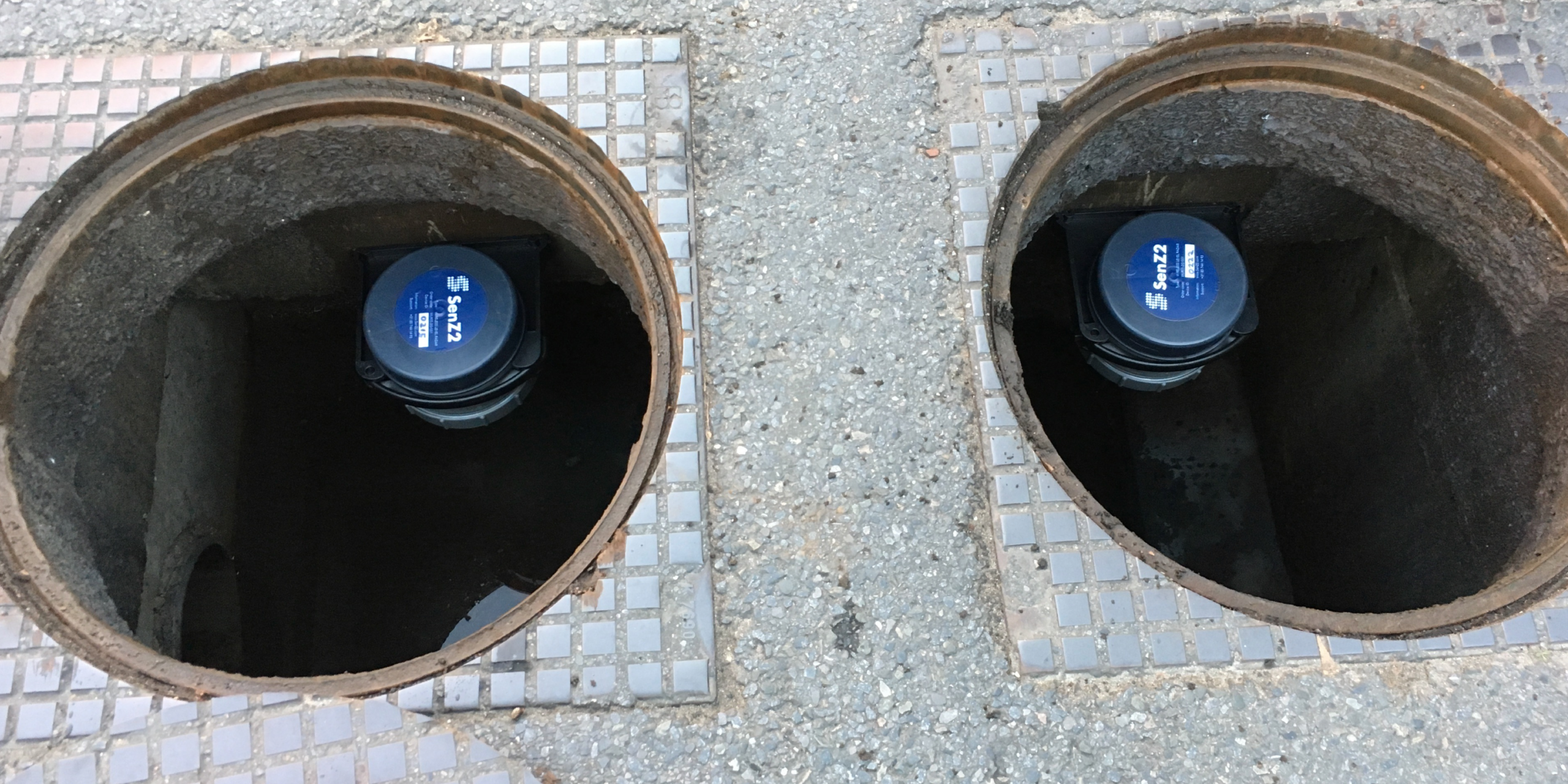
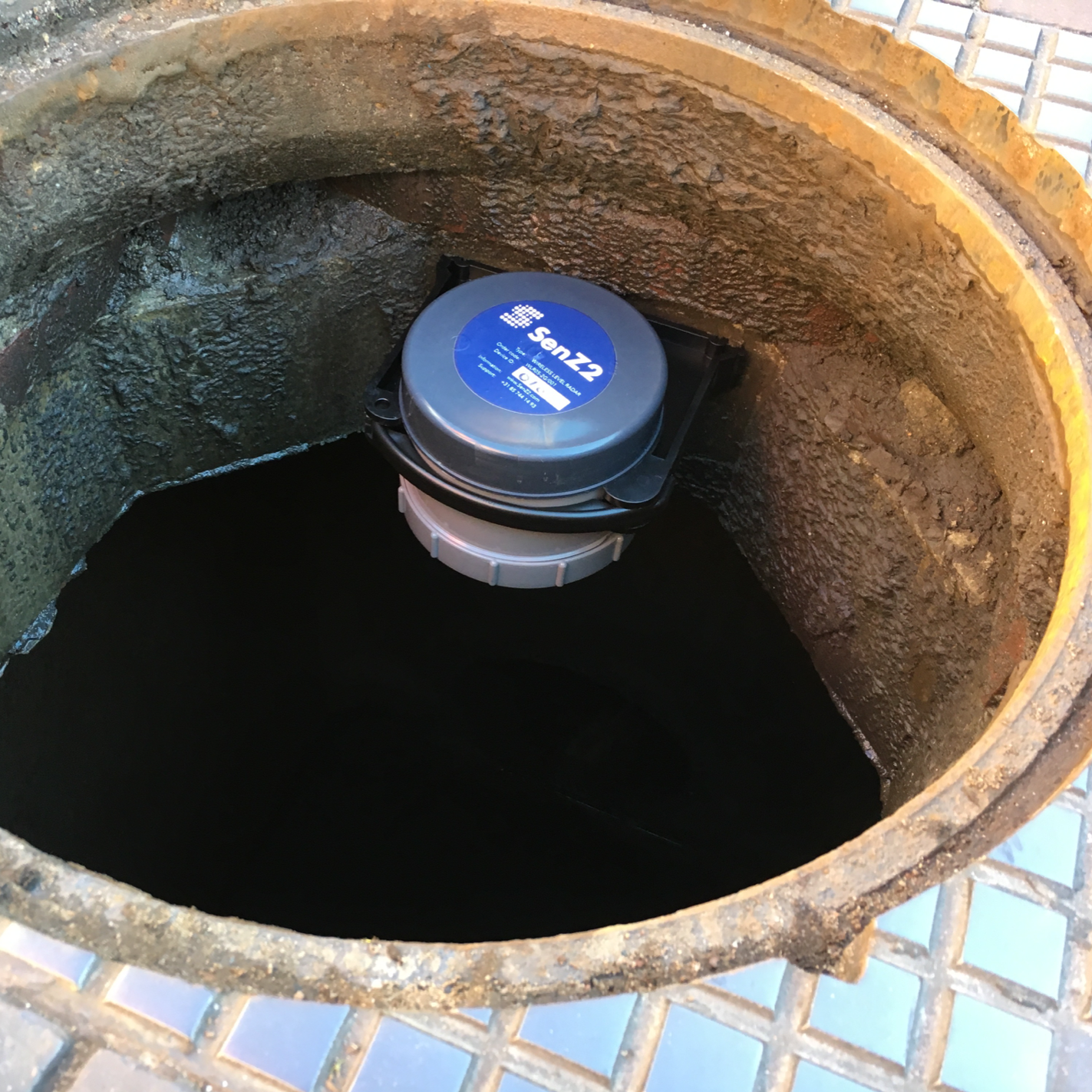
    Sewer protection kit cloud level radar

    Installation with minimal road closures

    Staal Instruments installed 10 sensors for them, 5 on the Dutch side and 5 on the Belgian side. It took only 2:30h because we did’t have to do any wiring. This saved a lot of time for our customer who had 4 people supporting us with road blocks and traffic management.

    Wireless communication

    The wireless communication worked flawlessly from inside of the sewer systems, beneath the manhole covers. The Sensors automatically searched for the strongest signal from Belgian as well as from Dutch networks.

    Direct insights in sewer problems

    Two weeks after installation we evaluated the setup and run through the data with the customer. In this session we could already pinpoint the problem. One location was recovering very slowly after a rain shower in comparison with the other locations.

    Wrap up:

    So with a minimal investment in our radar level monitoring solution, this municipality can now fix the problem and protect their citizens.

    Municipality of Woensdrecht Gemeente

  • Fine dosing for water treatment in livestock sector

    Fine dosing for water treatment in livestock sector

    Introduction

    Our customer GENCO WATER LTD provides a total water treatment solutions for poultry farms. They provide chemicals in drums as well as the dosing pump installations. To monitor the drum levels and the actual pump outputs, they apply the wireless level radar. 

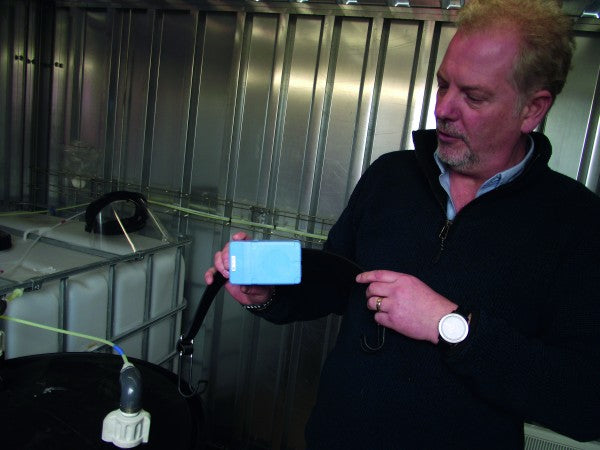
    Genco Staal Instruments cloud level radarSource: http://www.pig-world.co.uk/features/drink-in-the-benefits.html
    Easy installation of wireless sensors

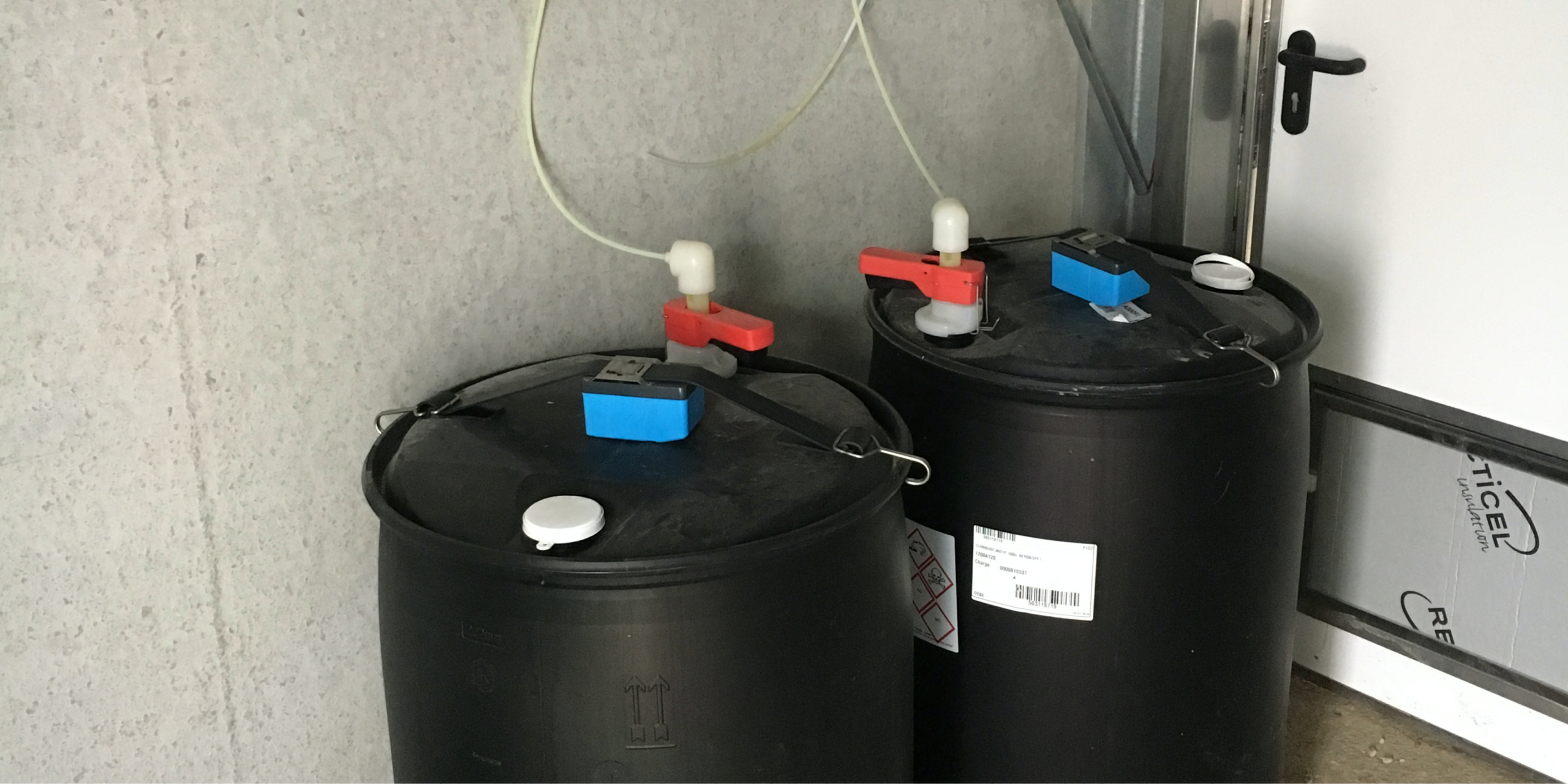
    The wireless level radar sensors can be installed on top of every PE drum in seconds. They operate completely stand-alone. After a drum change the sensor is placed on the new drum. The software recognizes the drum change. The integrated battery pack ensures a maintenance free operation of 5 years.  

    Location based monitoring

    The user portal is web-based and works on every device. In the online portal the user is able to assign every sensor to a dosing installation. The location of every installation can be set manually by the user or set automatically through the built in GPS receiver.

    Pump output + drum levels

    With mm-accuracy the wireless level radar is able to measure every liter that is pumped out of the drum. Based on these outputs, the pump performance can be monitored remotely. Multiple alerts can be set on drum fill-levels triggering the re-ordering process or pump check-up to ensure a flawless dosing operation.

    Result

    With the wireless radar solution, this water treatment service provider is now able to assure a flawless chemical dosing operation to it’s customers.
     GENCO WATER LTD uses Staal Instruments Cloud Level Radar